
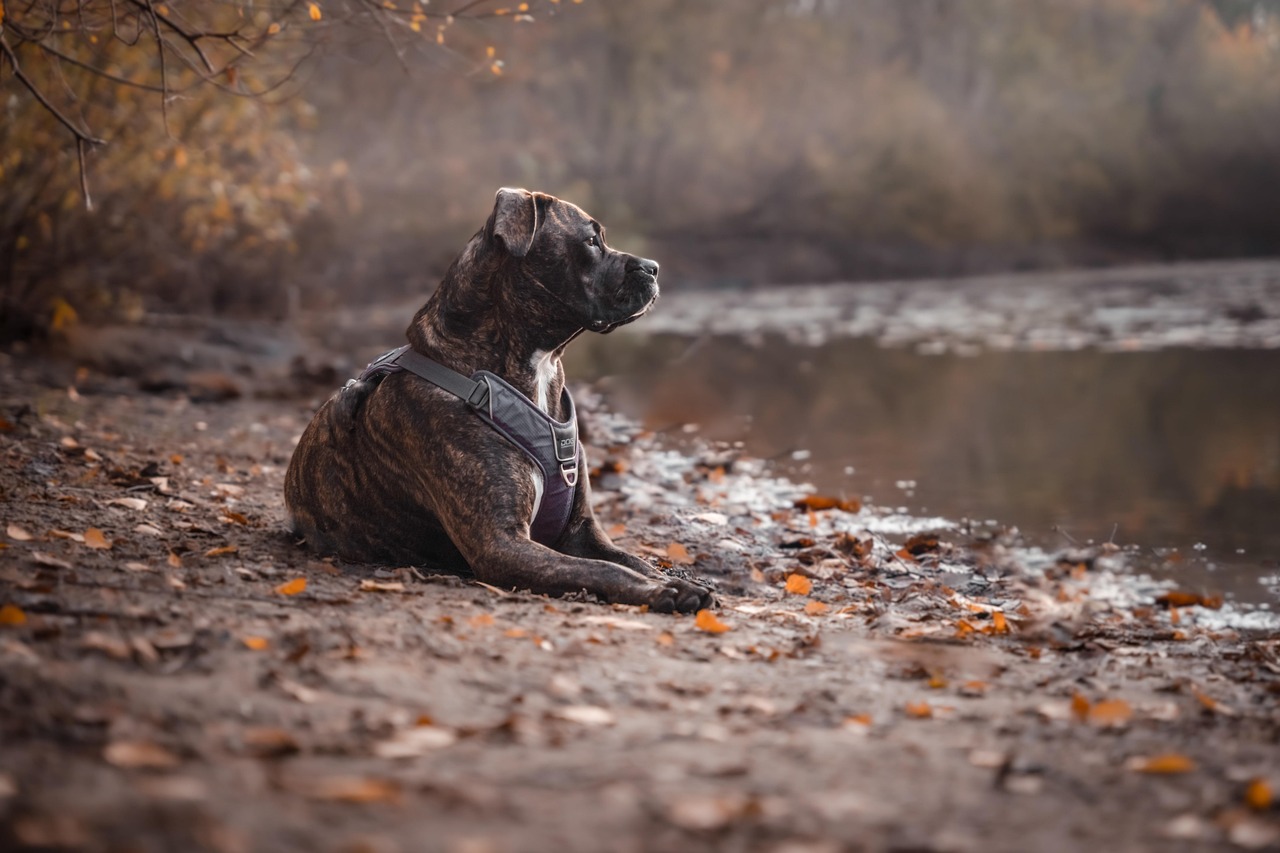
Aggressive behavior in dogs can be alarming and stressful for both the dog and their owner. Whether it’s growling, snapping, barking, or even biting, aggression in dogs can arise from various causes, such as fear, territoriality, frustration, or even medical issues. Understanding why a dog becomes aggressive and how to handle these behaviors safely is key to managing the situation.
In this article, we will explore the causes of dog aggression and provide strategies for safely handling an aggressive dog.
1. Understanding the Causes of Aggression
Before addressing aggression, it’s important to understand why a dog might be acting aggressively. Some common reasons include:
Fear Aggression: Dogs that feel threatened or cornered may react aggressively out of fear. This type of aggression is often seen in dogs that have had traumatic experiences or lack socialization.
Territorial Aggression: Dogs may become aggressive if they perceive an intruder or other animals as a threat to their territory, such as their home or yard.
Possessive Aggression (Resource Guarding): Some dogs exhibit aggressive behavior when they feel that their food, toys, or other possessions are being threatened or taken away.
Pain or Illness: A dog in pain, whether from injury or illness, may act aggressively because they feel vulnerable or unable to escape discomfort.
Redirected Aggression: Dogs can sometimes become aggressive if they are frustrated or aroused by something, such as being unable to reach a dog or person they are reacting to. This frustration can lead to sudden outbursts directed at the nearest person or animal.
Understanding the underlying cause of your dog’s aggression will help you choose the most effective approach to address it.
2. Recognizing the Signs of Aggression
Recognizing the early signs of aggression is important to prevent escalation. Aggressive dogs may exhibit a range of behaviors, including:
Growling or snarling
Raised hackles
Baring teeth
Stiff body posture
Snapping or lunging
Biting or nipping
It’s important to note that aggression can be a form of communication, and in some cases, it’s a dog’s way of saying they feel threatened or scared. Identifying these behaviors early allows for intervention before the situation gets worse.
3. Managing an Aggressive Dog: Safety First
If your dog shows signs of aggression, safety should always be your priority. Both your safety and the safety of others (humans and animals) are critical. Here’s how you can safely manage an aggressive dog:
Avoid Escalating the Situation: If your dog begins showing aggressive behavior, stay calm and avoid reacting with anger or fear. Yelling or physically restraining the dog could escalate the situation. Instead, use calm and clear body language to help de-escalate the tension.
Use a Leash and Muzzle: When working with an aggressive dog, always use a leash and, if necessary, a muzzle to prevent them from biting or injuring others. A muzzle doesn’t prevent the dog from breathing or drinking, but it can stop them from biting while you work on modifying the behavior.
Remove Triggers: If you know what triggers your dog’s aggression (e.g., other dogs, strangers, loud noises), try to remove or reduce exposure to those triggers whenever possible. This gives your dog time to relax and reduces stress.
Avoid Punishment: Punishing an aggressive dog can often make the problem worse, especially if the dog is acting out of fear or anxiety. Instead, focus on reinforcing positive behaviors and providing a calm, controlled environment.
4. Training Techniques for Aggressive Dogs
Working with an aggressive dog requires patience, consistency, and the right training techniques. Positive reinforcement methods are effective for modifying aggressive behavior:
Desensitization and Counter-Conditioning: Gradually exposing your dog to the triggers that cause aggression (e.g., other dogs or people) in a controlled and calm manner can help desensitize them. Pairing exposure with positive experiences, like treats and praise, can change how the dog perceives the trigger over time.
Clicker Training: This technique uses a clicker sound to mark desired behaviors, followed by a treat. This method helps reinforce positive behaviors and can be useful in teaching your dog how to behave around specific triggers.
Redirecting Aggressive Behavior: If your dog shows signs of aggression, redirect their attention to something positive, like a favorite toy or command (e.g., “sit” or “leave it”). This helps shift their focus away from the aggression.
Teach Calmness: Teach your dog to relax in stressful situations. Use techniques like deep breathing, mat training (teaching your dog to settle on a specific spot), or “go to your crate” to create safe spaces for your dog to retreat to when feeling overwhelmed.
5. When to Seek Professional Help
In some cases, aggression may be too severe or complicated to handle on your own. If your dog’s aggressive behavior poses a risk to people, other animals, or themselves, it’s important to seek help from a professional dog trainer or behaviorist who specializes in aggression.
A certified professional can assess the situation, determine the root cause of the aggression, and create a customized training plan to address the issue. If necessary, they may also recommend a veterinary examination to rule out medical causes of aggression, such as pain or neurological conditions.
6. Addressing Aggression in Puppies vs. Adult Dogs
Aggression in puppies is often more manageable because it typically stems from fear, frustration, or lack of socialization. Early socialization and training can help prevent the development of aggression in puppies. Exposing them to a variety of people, animals, and environments during their critical developmental periods will help them grow into well-adjusted adult dogs.
For adult dogs, aggressive behavior may require more time to modify. However, with consistent training and behavior management, even adult dogs can learn to manage aggression and respond to their environment more appropriately.
7. Conclusion
Dealing with an aggressive dog can be challenging, but with the right approach, most dogs can learn to modify their behavior. Understanding the root cause of aggression, using positive reinforcement techniques, and ensuring safety for all involved are key steps to success. Remember, patience is crucial—aggression doesn’t disappear overnight, but with time and commitment, your dog can learn to respond more calmly to stressors.
If you’re ever in doubt or need assistance, don’t hesitate to consult a professional dog trainer or behaviorist to ensure the best outcome for your dog and your family