
Service dogs play a crucial role in helping their handlers live more independent and fulfilling lives.
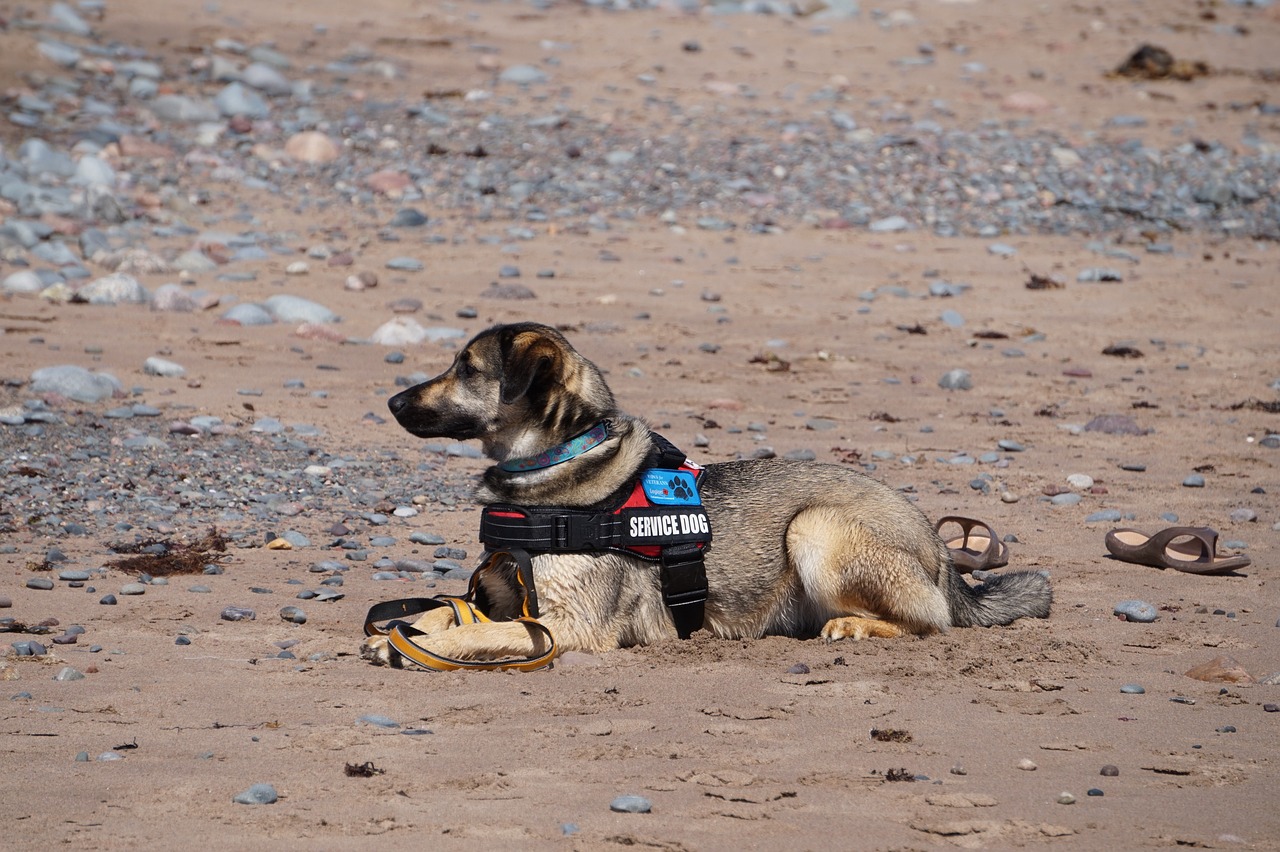
Service dogs are specially trained to assist individuals with various physical, mental, or emotional disabilities. These dogs play a crucial role in helping their handlers live more independent and fulfilling lives. Here are some of the most common types of service dogs and their specific roles:
1. Guide Dogs (Seeing-Eye Dogs)
Purpose: Guide dogs assist individuals who are blind or visually impaired. They help their handlers navigate obstacles, cross streets, and find specific locations, ensuring safety and mobility.
Training: Guide dogs are trained to recognize and avoid obstacles, stop at curbs, and respond to verbal commands that help their handler navigate their environment.
2. Hearing Dogs
Purpose: Hearing dogs assist individuals who are deaf or hard of hearing by alerting them to important sounds such as doorbells, alarms, telephone calls, or someone calling their name.
Training: These dogs are trained to respond to specific sounds and signal their handler by touching them or leading them to the source of the sound.
3. Mobility Assistance Dogs
Purpose: These dogs help individuals with physical disabilities that affect their mobility. They assist with tasks like retrieving objects, opening doors, pulling wheelchairs, and helping the handler maintain balance while walking.
Training: Mobility assistance dogs are trained to perform physical tasks that make everyday activities easier for the handler, such as picking up dropped items, pulling a wheelchair, or assisting with standing or walking.
4. Medical Alert Dogs
Purpose: Medical alert dogs are trained to detect specific medical conditions or symptoms, such as seizures, low blood sugar, or allergic reactions, and alert their handler or others in the vicinity.
Training: These dogs are trained to recognize changes in their handler’s body or scent and respond by alerting the individual or activating a medical alert system. For example, a diabetic alert dog may recognize the smell of a drop in blood sugar levels.
5. Seizure Response Dogs
Purpose: Seizure response dogs assist individuals who experience seizures. They can alert others during a seizure, assist in preventing injury during the seizure, and provide comfort afterward.
Training: These dogs are trained to respond by alerting others, staying with the handler during a seizure, or performing specific tasks to prevent injury. In some cases, they may even be trained to activate a medical alert system.
6. Psychiatric Service Dogs
Purpose: Psychiatric service dogs assist individuals with mental health conditions such as post-traumatic stress disorder (PTSD), anxiety, depression, and other disorders. They can provide emotional support, help with grounding techniques, and assist in coping with triggers and episodes.
Training: These dogs are trained to recognize signs of anxiety, panic attacks, or emotional distress and can perform specific tasks such as deep pressure therapy (lying on the handler to provide comfort) or guiding their handler to a safe space.
7. Autism Service Dogs
Purpose: Autism service dogs assist individuals with autism spectrum disorder (ASD). These dogs provide companionship, help with sensory processing, improve social interaction, and ensure safety by preventing wandering.
Training: Autism service dogs are trained to stay close to their handler, provide deep pressure stimulation, and help with communication and behavior regulation. They may also prevent the individual from running away or getting into dangerous situations.
8. Diabetes Alert Dogs
Purpose: Diabetes alert dogs are trained to detect changes in blood sugar levels for individuals with diabetes, specifically those who experience hypoglycemia (low blood sugar) or hyperglycemia (high blood sugar).
Training: These dogs are trained to detect changes in scent related to blood sugar fluctuations and alert their handler before symptoms become severe. This can help prevent dangerous health episodes.
9. Allergen Detection Dogs
Purpose: Allergen detection dogs are used by individuals who have severe allergies (e.g., to peanuts, dairy, or other allergens). These dogs help detect allergens in food, environments, or even products that the handler might encounter.
Training: The dogs are trained to sniff out specific allergens and alert their handler if the allergen is present, reducing the risk of exposure to harmful allergens.
10. Therapy Dogs (Though not technically “service” dogs)
Purpose: While therapy dogs aren’t classified as service dogs, they are trained to provide emotional support and comfort in a variety of settings, such as hospitals, nursing homes, schools, and disaster areas. Therapy dogs often help reduce stress and anxiety in their presence.
Training: Therapy dogs undergo specific training to work with groups of people in public spaces, providing comfort and reducing anxiety. They often visit facilities like hospitals, schools, and airports.
11. Cancer Detection Dogs
Purpose: Cancer detection dogs are trained to sniff out specific types of cancer, such as lung or breast cancer, based on changes in a person’s scent caused by cancerous cells.
Training: These dogs are trained to identify the scent of cancer in urine, breath, or skin samples. While this is still an emerging field, some dogs have demonstrated an ability to detect cancer at very early stages.
Conclusion
Service dogs play a vital role in enhancing the quality of life for individuals with disabilities, providing independence, support, and safety. Each type of service dog is trained for a specific purpose, catering to the unique needs of the handler. Whether it’s assisting with mobility, alerting to medical conditions, or providing emotional support, service dogs make a significant difference in the lives of those they help.